What Are the Most Docile Chicken Breeds for a Mixed Flock?
By Donna Little · Published October 28, 2026 · Last updated October 28, 2026
Calm, heavy breeds such as Orpingtons, Australorps, Plymouth Rocks, Brahmas and Cochins are among the most docile chickens, and they mix well because none of them tends to bully. Silkies are gentle too, but they're small, so pair them with other calm birds. For a peaceful mixed flock, choose breeds with similar temperaments, give everyone room, and introduce new birds slowly.
Quick facts
Question | Short answer |
|---|---|
Most docile breeds? | Orpington, Australorp, Plymouth Rock, Brahma, Cochin, Silkie |
Breeds that can be pushy or flighty? | Leghorns are nervous and flighty; some Rhode Island Red roosters can be aggressive |
Can different breeds live together? | Yes, if their temperaments and sizes are a good match |
Bantams in a mixed flock? | Fine with gentle large breeds; watch for bullying at the feeder |
How long to keep new birds apart? | At least 30 days, per USDA guidance |
Best breeds with kids? | Calm, easily handled birds like Orpingtons, Silkies and Plymouth Rocks |
What makes a chicken breed docile?
A docile breed is calm, tolerates being handled, and rarely starts fights. Heavy, slow-moving breeds tend to be the calmest. Lighter, more active breeds are often more flighty or pushy. Every bird is an individual, but breed is a good place to start, and the University of Georgia's poultry specialists say to "be aware of the behavior and temperament of each breed" when you mix more than one.
The most docile chicken breeds
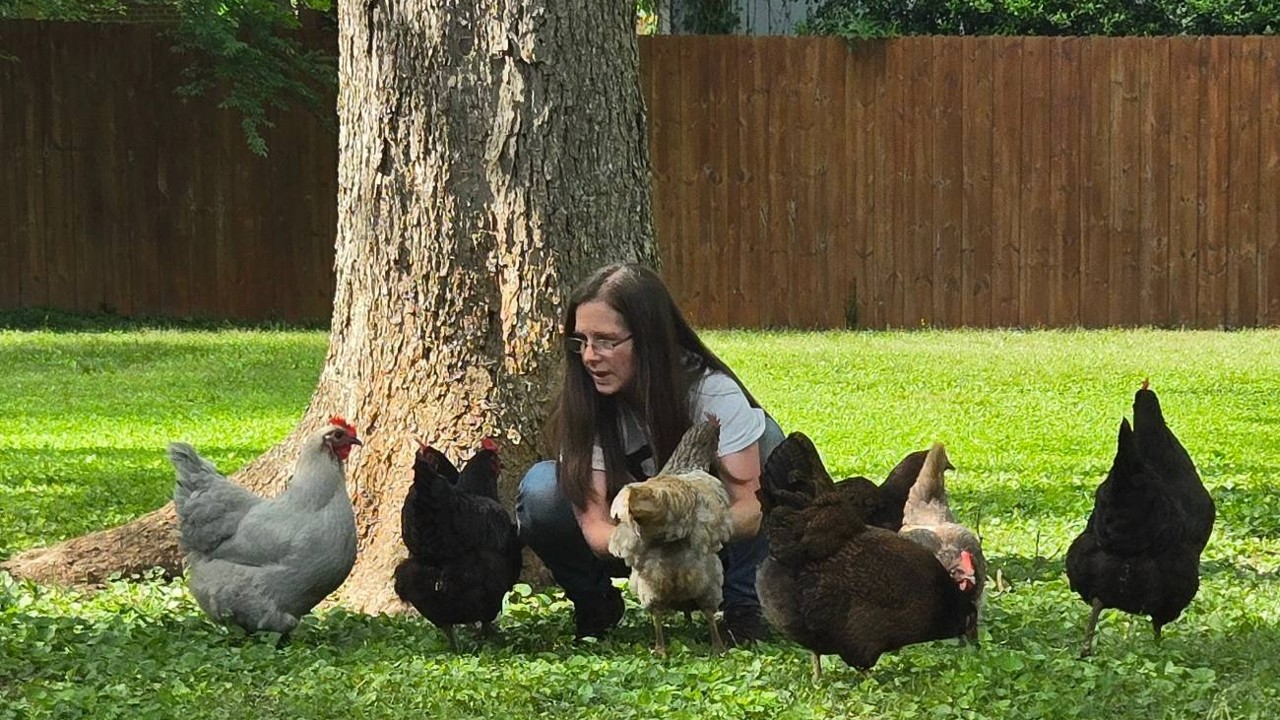
Orpington (especially Buff Orpingtons): "docile, affectionate and easily handled," per UGA. So gentle they can be bullied by pushier birds.
Australorp: "quiet, docile and easily handled," and a great layer.
Plymouth Rock (Barred Rock): friendly, easy to handle and hardy.
Brahma: a big, calm giant. Gentle despite its size.
Cochin: fluffy, feather-footed and laid back. Great for beginners.
Silkie: "docile and friendly," and a favorite bantam for backyards. Our Silkie, Winter, is proof.
How do you mix sizes and temperaments?
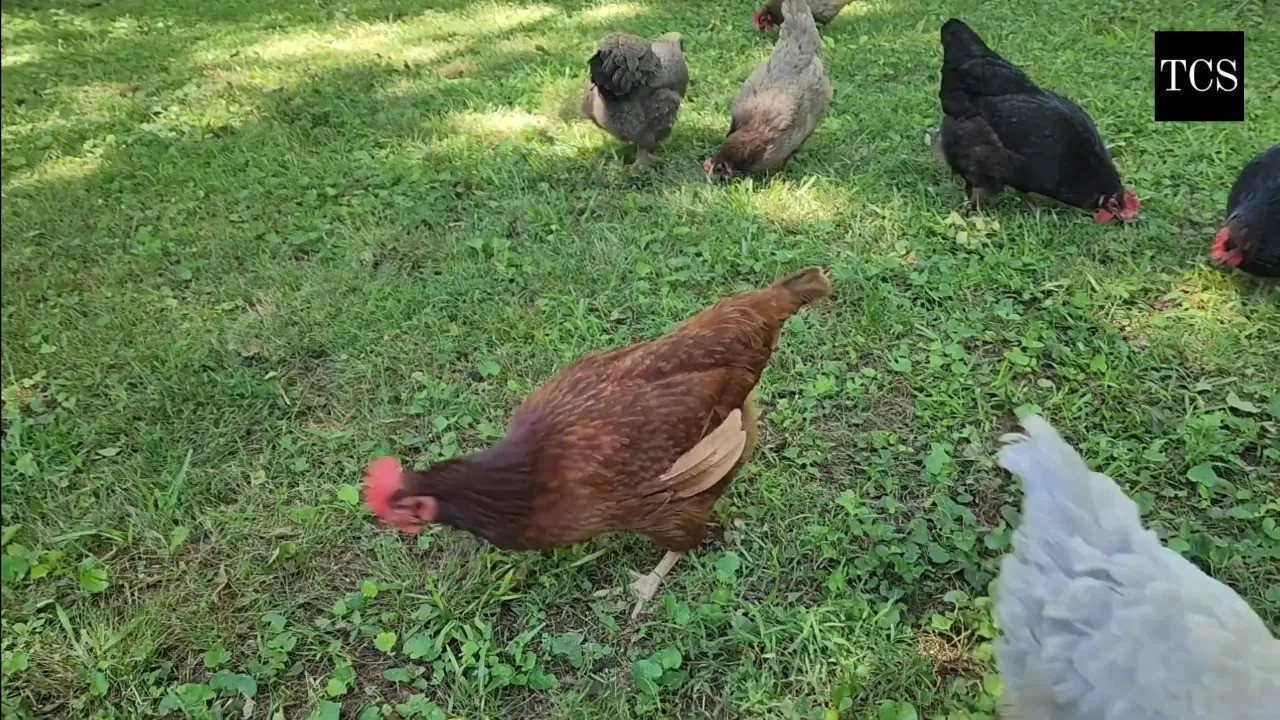
Match temperaments first, then sizes. Pair gentle breeds with other gentle breeds, and avoid mixing very timid birds with very pushy ones.
Give bantams an escape route. Small birds do fine with calm large breeds if they have room to move away, a second feeder and a lower roost.
More space means less squabbling. Crowding is the biggest cause of pecking problems in a mixed flock.
Watch your rooster. A good rooster keeps order. Read Do You Need a Rooster? for what Grover and Finnegan taught us.
How do you introduce new chickens to a mixed flock?
Quarantine first. USDA guidance says to keep new birds separate from your flock "for at least 30 days" to avoid bringing in disease.
See but don't touch. Next, house them side by side behind wire for about a week so everyone gets used to each other.
Merge at night. Add the new birds to the roost after dark, and add a second feeder and waterer.
Expect some pecking. A little squabbling while the pecking order settles is normal. Separate any bird that's bleeding or being cornered.
Count them at roost. A nightly head count catches problems early. Here's why we count our chickens every night.
FAQ
What is the friendliest chicken breed?
Orpingtons and Silkies are widely considered the friendliest. Both are calm, enjoy being handled and rarely start fights.
Can different chicken breeds live together?
Yes. Mixed flocks do well when the breeds have similar temperaments, there's enough space, and new birds are introduced slowly after a 30-day quarantine.
Which chicken breeds are best with kids?
Calm, easily handled breeds like Orpingtons, Silkies, Plymouth Rocks and Cochins. Always supervise young children and teach them to wash their hands after handling chickens.
Are bantams good in a mixed flock?
Yes, with gentle large breeds. Give bantams room to get away, a lower roost and a second feeder so bigger hens can't crowd them out.
Keep learning:
📖 New to chickens? Get a free preview of Donna's e-book, Backyard Chickens Made Simple: https://www.the-coopscoop.com/free-preview-page
💌 Get Donna's monthly Coop Scoop newsletter: https://www.the-coopscoop.com/newsletter-signup-page
About Donna: Donna Little has raised backyard chickens for 30 years. She shares practical, no-fuss advice on her YouTube channel, The Coop Scoop, and in her e-book, Backyard Chickens Made Simple.
Sources: University of Georgia Cooperative Extension, "Which Breed of Chicken Should I Put in My Backyard Flock?" · USDA APHIS, "Biosecurity for Birds" (Program Aid 1885A)