
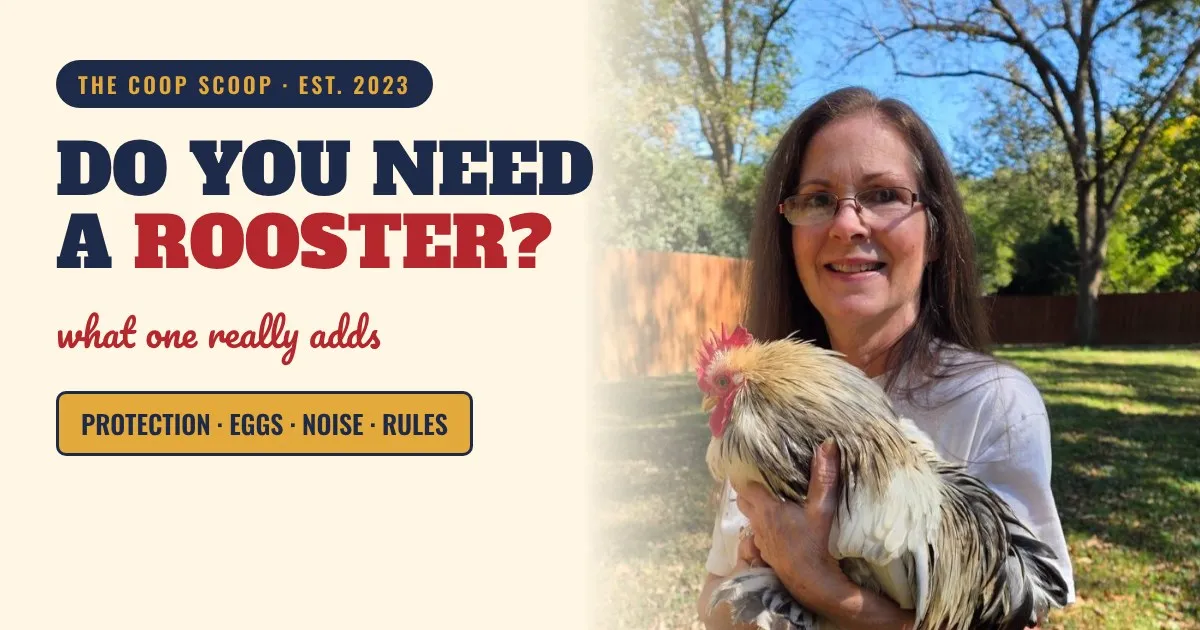
Do You Need a Rooster? What Grover and Finnegan Taught Us
By Donna Little · Published October 24, 2026 · Last updated October 24, 2026
No, you don't need a rooster for your hens to lay eggs. A hen lays with or without a rooster. You only need one if you want fertile eggs to hatch chicks. But a good rooster does a lot more for a flock than that: he protects the hens, warns them about danger, keeps the peace and finds them food. The trade-offs are crowing, possible aggression, overbreeding and local rules that may not allow roosters at all.
I'm Donna from The Coop Scoop. I've kept chickens for 30 years, and our two roosters, Grover and Finnegan, have taught me exactly what a good rooster adds. Here are the honest pros and cons so you can decide if a rooster is right for your flock.
Key takeaways
Hens lay without a rooster. You only need one for fertile eggs and chicks.
A good rooster protects the flock: he watches the sky, sounds warning calls and herds hens to cover.
He keeps the peace and shares food, breaking up hen fights and calling the girls to treats (tidbitting).
The downsides are real: crowing, possible aggression, overbreeding and local rules that often ban roosters.
Plan on about 8 to 12 hens per rooster, and have a backup plan before you get or hatch one.
Do you need a rooster? Quick answer
Question | Short answer |
|---|---|
Do hens need a rooster to lay eggs? | No. Hens lay unfertilized eggs without one. |
When do you need a rooster? | Only if you want fertile eggs to hatch chicks. |
Biggest pros | Protection, early warning calls, keeping the peace, finding food |
Biggest cons | Crowing, possible aggression, overbreeding, local rules |
How many hens per rooster? | About 8 to 12 hens for each rooster |
The pros of having a rooster
1. Protection
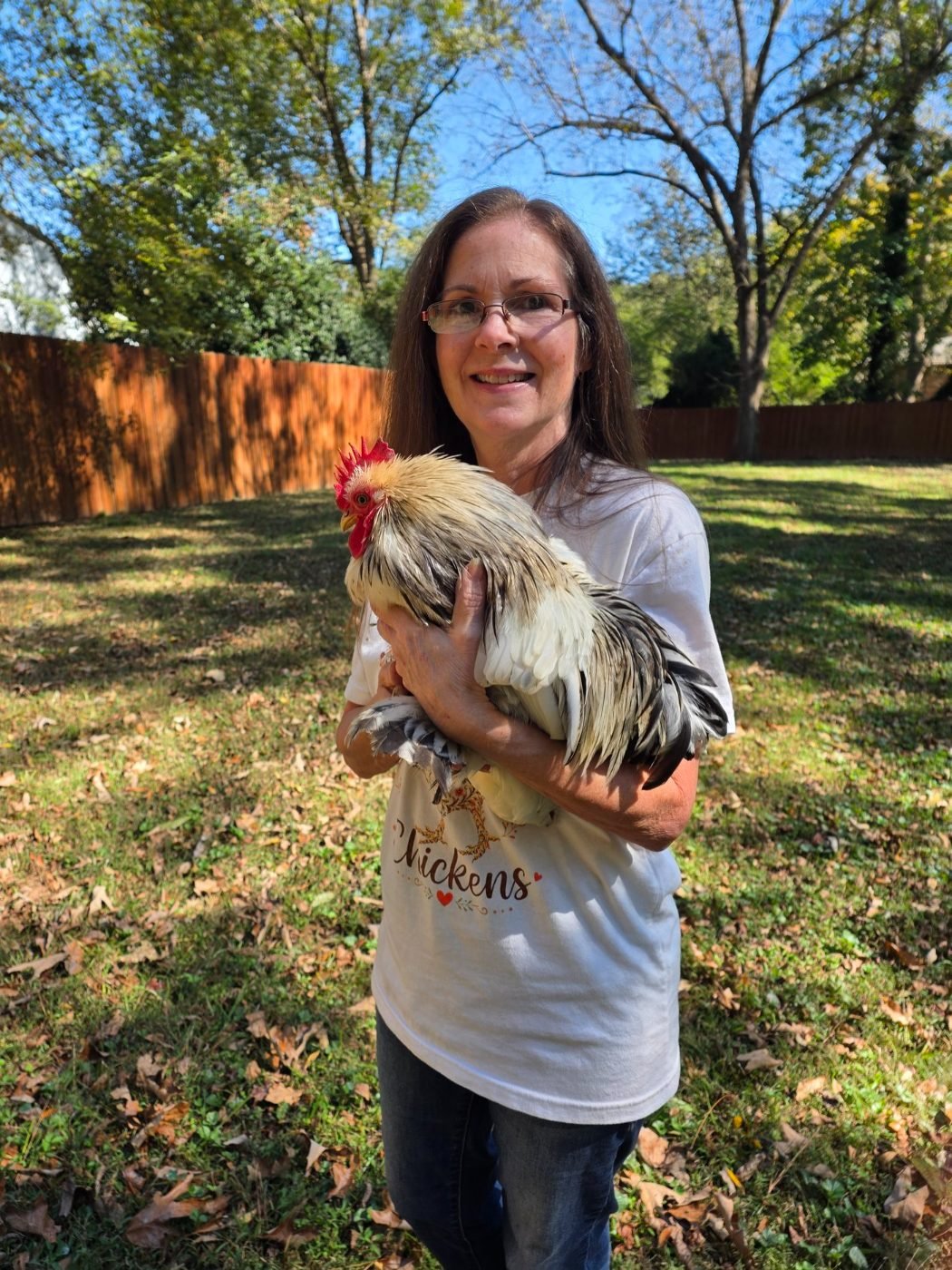
The biggest pro for me is protection. Roosters are unlike hens in that they are always vigilant. Mine are constantly watching the skies and scanning the woods. Even though our birds are safe in a covered run, Grover and Finn are always watching out for the girls.
In the chicken groups I'm in, I see people talk all the time about a rooster who gave his life to save the flock. Good roosters really are little warriors.
2. An early warning system
Right along with protection, a rooster is a great early warning system. My standard-size flock doesn't have a rooster, and those hens take their cues from the wild birds. When the crows or blue jays start up, they run for cover.
Grover and Finn just know. I don't know how they do it, but they give a warning call long before anything is close enough to hurt the hens, and they get the girls inside and under cover.
3. Fertile eggs
If you want to hatch chicks, you need a rooster. Just know that hatching means more roosters too, so only go for it if you can handle extra boys.
4. Keeping the peace
One of the things I love most about Grover is that he keeps the peace. Our hens have been so broody lately, and even hens that aren't broody breeds start bickering sometimes. That can turn into a fight and feather pulling. A good rooster gets it under control within seconds. I've watched Grover break up fights between grouchy broody girls many times, which helps a lot when I'm all the way across the yard.
5. Finding food for the hens (tidbitting)
Tidbitting is a rooster's food call: he clucks, bobs his head and offers a treat to his hens. When a rooster finds a grub or anything he thinks is high value, he calls the girls over. He'll pick it up and drop it, over and over, until someone comes and eats it. I brought ours some blueberries the other day, and Grover and Finn stood there and gave every single one to the girls.
6. Guiding hens to the nest box
Grover will sometimes decide a hen needs to revisit the nest box and lead her right to it, as if to say, "This is where you need to do your work." Free-ranging roosters will even escort a hen back to the coop to lay, keep watch, and walk her back to the flock afterward.
7. They're entertaining
I could sit and watch Grover and Finn for hours. If I had the time, it would make a good TV show.
The cons of having a rooster
1. Crowing
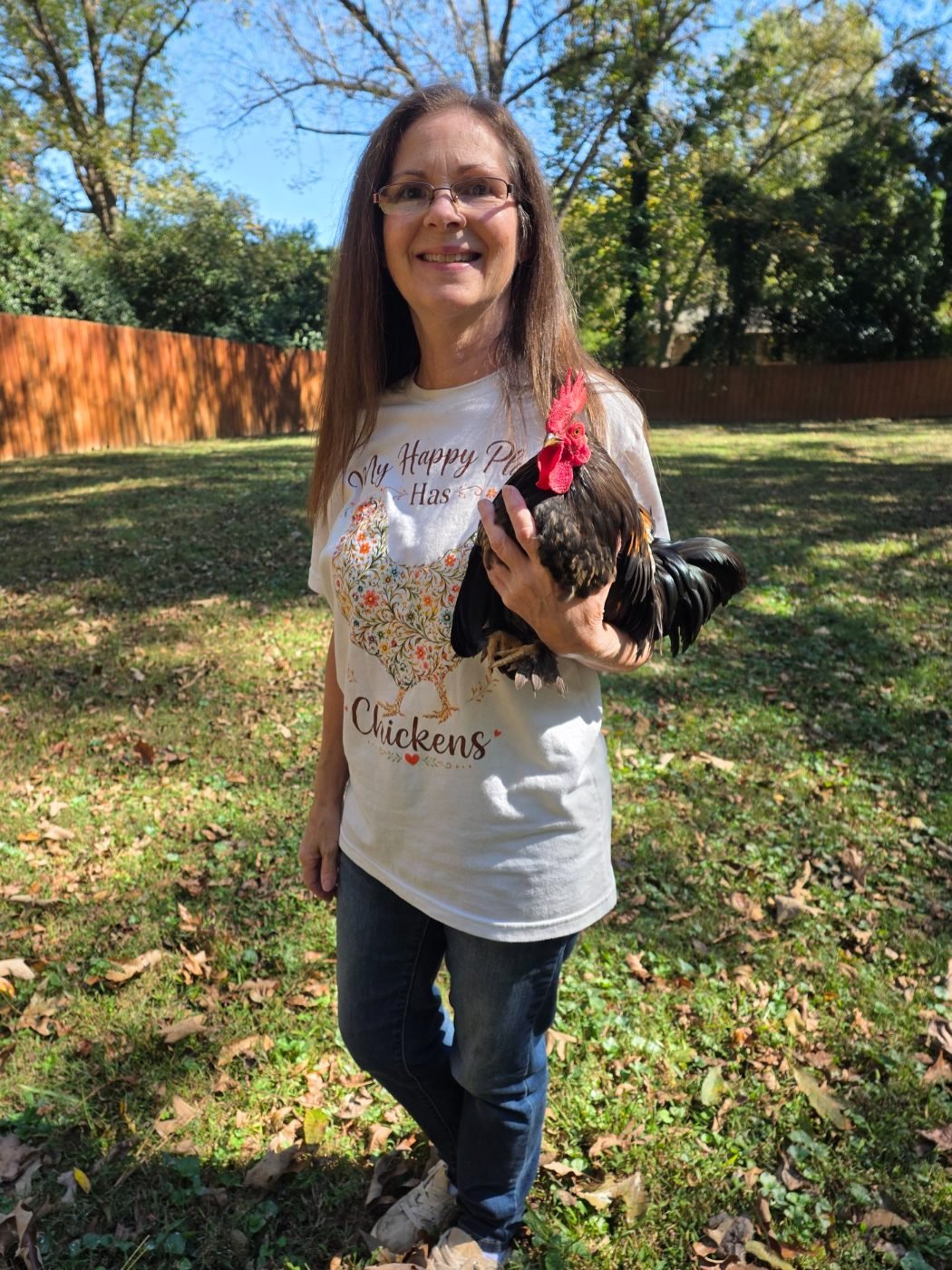
Crowing isn't always a con, but it can be. Finn loves the sound of his own voice. He crows all day, every day, for any reason or no reason. Grover crows mostly in the morning, with maybe a couple more during the day. If you have close neighbors, think hard about the noise.
2. Local rules
Before you get a rooster, check your local ordinances and HOA rules. Many towns that allow backyard hens don't allow roosters, and you don't want to end up in a tough spot with your neighbors or have to give up a bird you love.
3. Possible aggression
The biggest con is potential aggression, and it can be a real problem if you have children. People handle it all kinds of ways, and what works for one rooster won't always work for another.
A lot of the time, I think the aggression is just in the beginning. Young roosters get a rush of hormones and don't really know what they're doing yet. They just know they're supposed to protect their hens. So give them a chance. But if you have kids and you're worried they'll get hurt, do what you have to do. I've seen some bad injuries on children.
If you decide to rehome an aggressive rooster, be honest with the new owner so they don't inherit your problem.
4. Overbreeding
A rooster who's just coming of age can be awkward and a bit of a caveman. Give him time. Finn was a little rough at first, and now he's very good with the ladies.
But if a rooster is attacking your hens, or picking one or two favorites until their backs are bald and they're getting injured, remove him from the flock. He might do better in a different flock.
How many hens per rooster?
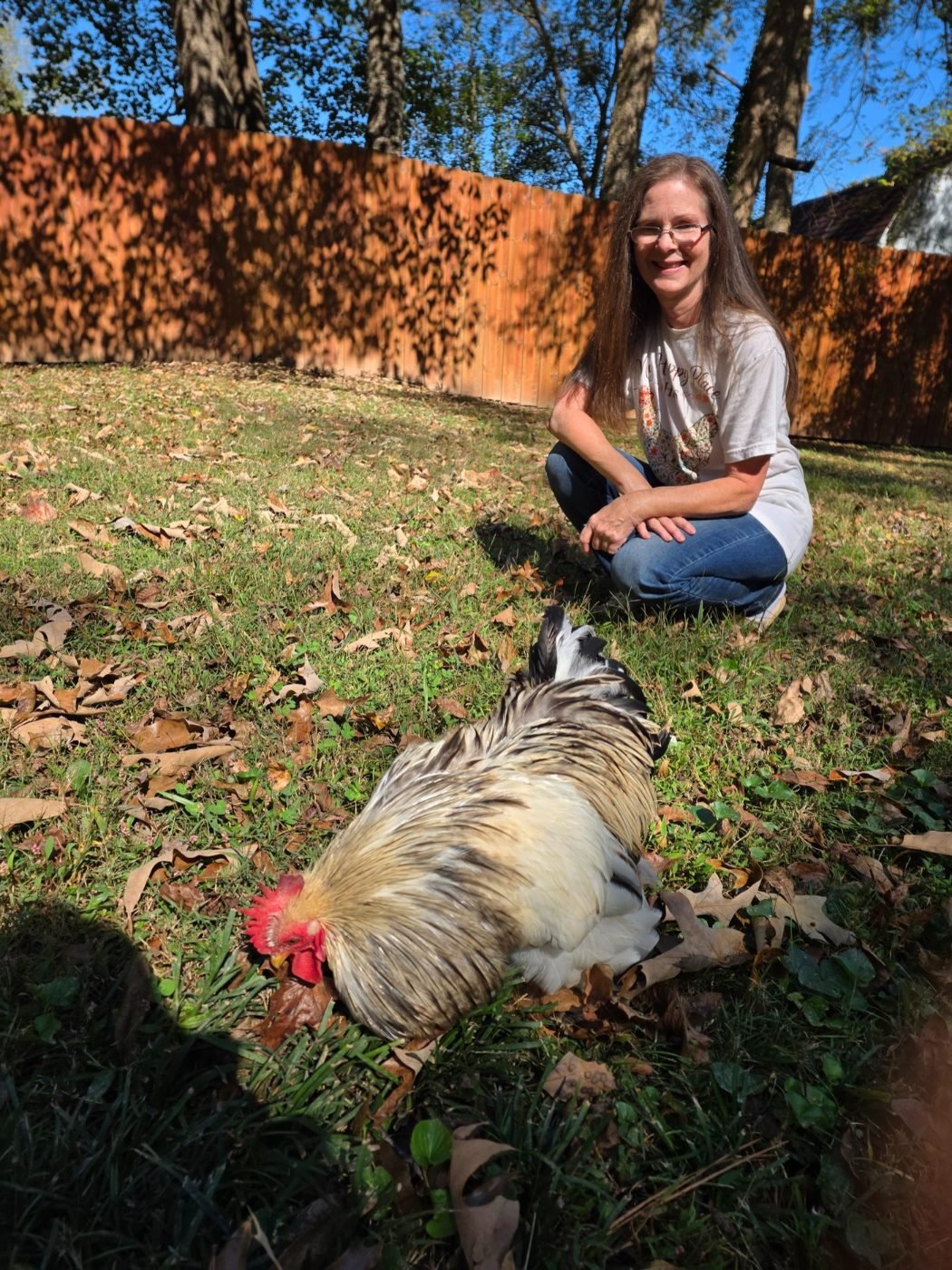
I'd aim for about 8 to 12 hens per rooster. That lines up with Poultry Extension's rule of thumb of one rooster for every ten hens, and NC State Extension advises against keeping a rooster at all in a flock of fewer than ten hens. Too many roosters for your hens leads to overbreeding, and two very dominant roosters together can fight. So far Grover and Finn are getting along swimmingly, and I hope it stays that way.
Have a backup plan before you get a rooster
Think it through before you bring home a rooster, or before you hatch eggs, because hatching always means some roosters. If you end up with one you can't keep and nobody else wants him, you may face a difficult decision. It's better to plan for that ahead of time.
Rooster FAQ
Do hens need a rooster to lay eggs?
No. Hens lay eggs with or without a rooster. Without a rooster the eggs are unfertilized, which is what most people eat.
Why would you want a rooster?
For fertile eggs to hatch chicks, and for what a good rooster does for the flock: watching for predators, sounding warning calls, breaking up fights and finding food for the hens.
How many hens should you have per rooster?
About 8 to 12 hens per rooster. Fewer hens than that can lead to overbreeding and hens with bald, injured backs.
Are roosters aggressive?
Some are, especially young roosters full of new hormones. Many settle down with time. If a rooster threatens children or keeps injuring hens, rehome him and be honest with the new owner.
Are roosters allowed in backyard flocks?
It depends on where you live. Many places that allow hens prohibit roosters, so check your local ordinances and HOA rules first.
Sources
Poultry Extension (extension.org), Do You Need a Rooster for a Hen to Lay an Egg?
NC State Extension, Keeping Garden Chickens in North Carolina
Keep learning with The Coop Scoop
Donna's e-book, Backyard Chickens Made Simple, covers coop setup, daily routines and keeping your flock healthy. Read a free preview here.
Wondering why your hens slowed down this fall? Read Why Did My Chickens Stop Laying in Fall? Just getting started? Read The Biggest Beginner Chicken-Keeping Mistakes Donna Learned the Hard Way.
Want more tips like this each month? Get The Coop Scoop newsletter.
About the author
Donna Little has raised backyard chickens for more than thirty years and shares what she's learned with 30,000+ subscribers on The Coop Scoop YouTube channel. She's the author of Backyard Chickens Made Simple and keeps a mixed flock of standard hens and bantams with her husband, Mark.